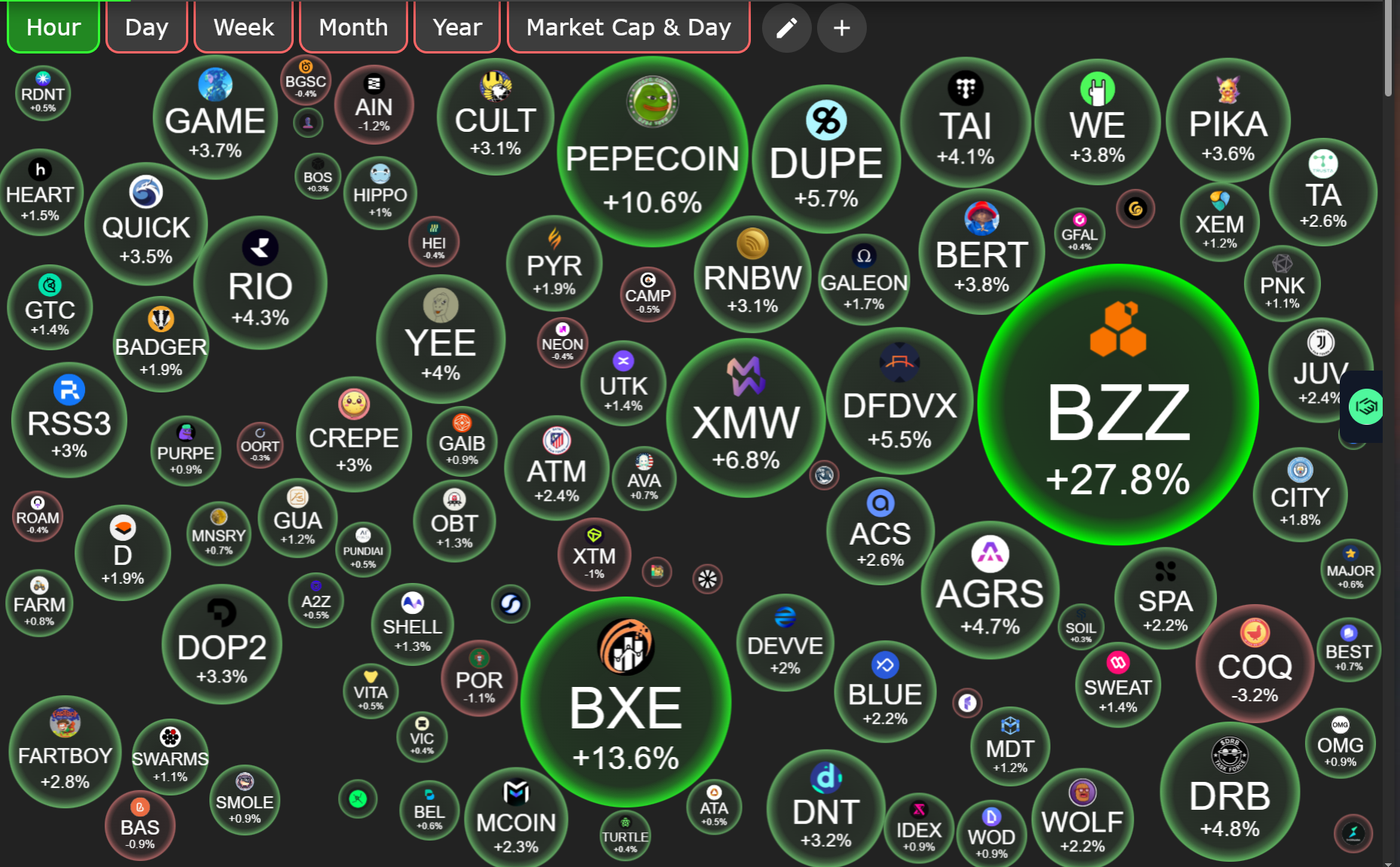
When the crypto market dumped hard on 6 February, most tokens struggled to bounce. BZZ didn’t.
It snapped back with a 27% recovery, outperforming a big chunk of the market — and that resilience is exactly why Ethereum Swarm is worth paying attention to right now.
Swarm isn’t a meme, a points game, or another “click-to-earn” campaign. It’s real infrastructure, and you earn by providing storage and bandwidth to the network. If you’re looking for something closer to ETH staking vibes than airdrop farming, this is it.
What Is Ethereum Swarm?
Ethereum Swarm is a decentralized storage and content distribution network designed to be Ethereum’s native data layer.
Think of it as:
- IPFS-like storage
- Incentive-aligned
- Paid in BZZ / xBZZ
- Fully on-chain accounting via Gnosis Chain
Users pay to store data using postage stamps, and node operators (you) get paid for:
- Storing data
- Serving bandwidth
- Staying online and honest
How You Earn on Swarm
Your income comes from running a Bee node. There are three main reward streams.
1. Run a Full Bee Node (Core Strategy)
To earn consistently, you need a staking Bee node.
| Requirement |
Details |
| Minimum stake |
10 xBZZ |
| Chain |
Gnosis Chain |
| Node type |
Full staking Bee node |
| Rewards |
Redistribution game payouts |
Once staked, your node becomes eligible for Swarm’s redistribution game, which periodically rewards nodes that can prove they’re storing real, useful data.
2. Storage Incentives (Postage Stamps)
When users upload data to Swarm, they:
- Buy postage stamps with xBZZ
- That xBZZ goes into a reward pool
Periodically, the network redistributes those tokens to nodes that:
- Hold the relevant data chunks
- Are online and responsive
The more useful data your node stores — and the more diverse its neighborhood — the better your odds.
3. Bandwidth Incentives (SWAP)
Swarm also pays nodes for serving data.
| Component |
Purpose |
| SWAP protocol |
Tracks bandwidth usage |
| Chequebooks |
On-chain settlement |
| Reward |
xBZZ payments |
If your node relays traffic reliably, peers pay you automatically.
Getting Started: Step-by-Step
Step 1: Get BZZ → Convert to xBZZ
Step 2: Install a Bee Node
You can run Bee on:
- A Linux VPS
- A home server (if uptime is stable)
Minimum expectations:
- Stable internet
- Enough disk space (storage matters)
- Good uptime (this directly affects rewards)
Follow the official Bee setup docs and connect your node wallet to Gnosis Chain.
Step 3: Stake and Go Live
| Action |
Requirement |
| Stake |
≥ 10 xBZZ |
| Method |
Bee dashboard or CLI |
| Status |
Node enters redistribution pool |
Once staked, your node starts participating in reward events automatically.
Earnings: What’s Realistic?
Based on 2025 Swarm network data, here’s what active staking nodes earned on average.
Recent Monthly Averages
| Month (2025) |
Avg xBZZ per Active Node |
Active Nodes |
| June |
4.9 xBZZ |
~4,900 |
| July |
10.7 xBZZ |
~3,450 |
| August |
11.3 xBZZ |
~3,660 |
Median wins per event hover around 10–11 xBZZ.
⚠️ Important:
Only about 50% of nodes win in a given month. This is probabilistic, not guaranteed income.
Profitability Factors That Matter
| Factor |
Why It Matters |
| Uptime |
Offline nodes don’t win |
| Neighborhood |
Distribution improves win odds |
| Node count |
Multiple small nodes often outperform one big node |
| Network usage |
More uploads = bigger reward pool |
| Costs |
VPS, bandwidth, power |
Pro tip:
Running multiple nodes with minimum stake in different neighborhoods often beats over-staking a single node.
Cost vs Reward Reality Check
| Item |
Typical Range |
| VPS cost |
$10–$50 / month |
| Avg rewards |
10–11 xBZZ / month |
| Net outcome |
~5–20 xBZZ/month after costs (varies heavily) |
xBZZ price fluctuates — always sanity-check profitability against current prices.
Why Swarm Is Interesting Right Now
- Real utility, not hype farming
- Token showed strong recovery during market stress
- Fewer active nodes recently → higher average rewards
- Infrastructure-aligned incentives (similar ethos to ETH validators)
This is not a “get rich quick” setup. It’s closer to DePIN-style yield, where consistency and uptime win.
Final Thoughts
If you:
- Like infrastructure plays
- Prefer predictable mechanics over social quests
- Are okay with probabilistic rewards
Then Ethereum Swarm Bee nodes are one of the cleaner farming setups in crypto right now.